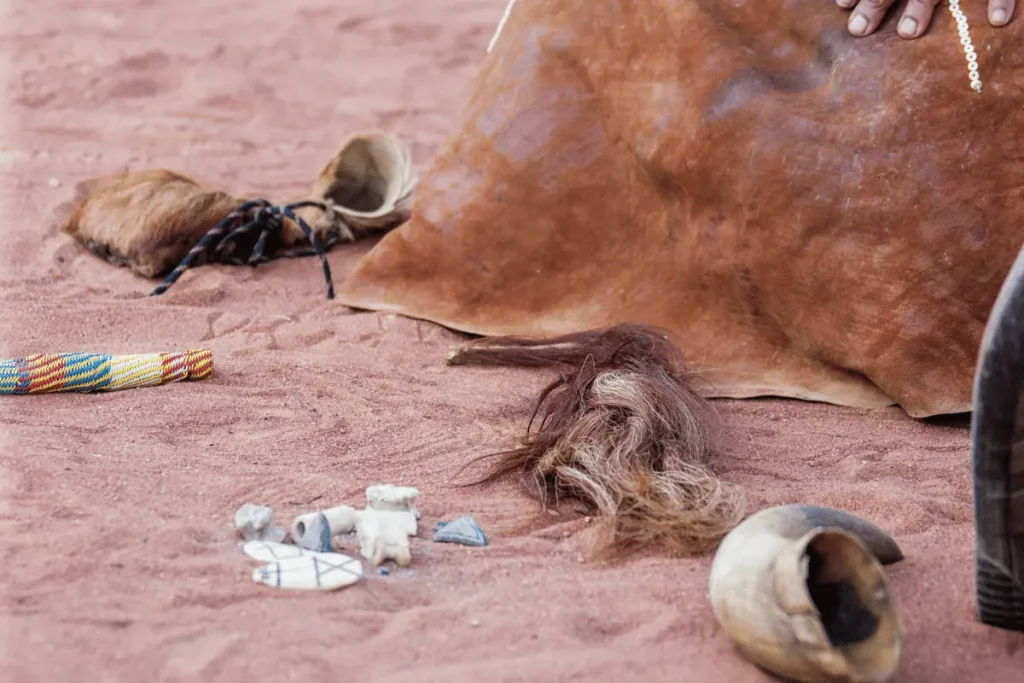
Witch Doctor in Africa: Tradition, Healing, and Spiritual Guidance
Across Africa, the role of the witch doctor—more accurately referred to as a traditional healer or spiritual practitioner—has long been an essential part of cultural, spiritual, and medical life. These practitioners are deeply respected within their communities and are often seen as bridges between the physical and spiritual worlds.
Understanding the Role of a Witch Doctor
The term “witch doctor” is often misunderstood. In many African societies, these individuals are not associated with harmful practices, but rather with healing, protection, and guidance. They use a combination of herbal medicine, spiritual rituals, ancestral communication, and divination to help people address various life challenges.
Traditional healers are consulted for a wide range of concerns, including:
- Health issues that may not respond to conventional medicine
- Relationship and family problems
- Financial struggles or business setbacks
- Spiritual disturbances or unexplained misfortunes
- Protection against negative energies
Their knowledge is often passed down through generations or received through spiritual calling, making their work both sacred and highly respected.
The Cultural Importance of Traditional Healing
In many African communities, traditional healing is not separate from daily life—it is woven into the fabric of society. People often turn to these practitioners not only for treatment but also for guidance in making important life decisions.
Unlike modern medicine, which often focuses purely on physical symptoms, traditional healers take a holistic approach. They consider emotional, spiritual, and social factors when diagnosing and treating a problem. This approach resonates deeply with many individuals who believe that true healing must address the whole person.
Methods and Practices
Traditional healers employ a variety of methods depending on their specialization. These may include:
- Herbal Remedies: Using natural plants and roots to treat illnesses
- Spiritual Cleansing: Rituals to remove negative energies or bad luck
- Divination: Interpreting signs or using tools to uncover hidden issues
- Ancestral Communication: Seeking guidance from ancestors
Each practice is guided by deep cultural knowledge and spiritual belief systems that have been preserved for centuries.
Modern Relevance
Even in today’s fast-changing world, the role of the witch doctor remains relevant. Many people continue to seek traditional healing alongside modern healthcare. In some regions, governments and health organizations have even recognized traditional healers as important contributors to community well-being.
Their ability to provide culturally familiar care, emotional support, and spiritual reassurance makes them invaluable, especially in rural areas where access to modern healthcare may be limited.
Contact Information for Consultation
For those seeking guidance, consultation, or spiritual assistance, you can reach out through the following:
WhatsApp (Fastest)
+254 705 600 577
Call Directly
+254 705 600 577
Email Us
mamasheilamusa@gmail.com
Location
Kampala, Uganda
Consultation Hours
Mon – Sat: 7:00 AM – 9:00 PM
Sunday: 9:00 AM – 6:00 PM
Emergency Cases: Available 24/7
Final Thoughts
The presence of traditional healers in Africa reflects a deep-rooted belief in the connection between the physical and spiritual worlds. While perspectives may differ, their influence remains strong and meaningful for many communities.
Understanding their role with respect and openness allows for a broader appreciation of Africa’s rich cultural heritage and diverse approaches to healing and well-being.